39 food labels in australia
Food Labelling - Classroom - BTN REPORTER: Thank goodness for labels. In Australia most packaged food has to have a label showing the ingredients; including anything people might be allergic to, the nutrition information - like ... Food label reading guide | Nutrition Australia Food and drink labels will include information about the product, where and when it was made and a statement of ingredients, as well as any warnings or allergen statements. Most food or drink packages have a Nutrition Information Panel (NIP) which tells you the quantity of various nutrients a product contains per serve and per 100g or 100 ml.
PDF Food Labels What do they mean? Food labels must have the name and business address in Australia or New Zealand of the manufacturer or importer, as well as the lot identification of the food (or date coding). This makes food recalls, on the rare occasion that they are necessary, more efficient and effective.
Food labels in australia
How to understand food labels | Eat For Health The Nutrition Information Panel on a food label offers the simplest and easiest way to choose foods with less saturated fat, salt (sodium), added sugars and kilojoules, and more fibre. It can also be used to decide how large one serve of a food group choice or discretionary food would be and whether it's worth the kilojoules. Food labelling - Health.vic All packaged foods sold in Australia must comply with the labelling requirements of the Australia New Zealand Food Standards Code, which applies in Victoria through the Food Act 1984. Food labels must carry essential information, so that consumers are informed of the nature and properties of foods before they buy. Food Labelling & Allergen Guide - Australian Food and Grocery Council The Food Industry Guide to Allergen Management and Labelling offers guidance in managing allergens. It's relevant to those involved in the supply, handling, production, import and sale of foods. It was first development by the AFGC in 2007 but an updated edition was jointly published by the AFGC and Allergen Bureau in April 2021.
Food labels in australia. ZIWIPeak Dog Food Review (2022) | Pet Food Reviews (Australia) ZIWIPeak dog food review What the marketing says. On the ZIWIPeak website for the Venison recipe they say “Loaded with free-range venison, ethically raised on pastures of lush and native grasses in the remote valleys of New Zealand’s South Island.” Doesn’t that sound delicious? If that doesn’t sound good enough, let these facts resonate: food label stickers australia - Adrian Hendrick food label stickers australia. Saturday, June 4, 2022. First Decafe Lamps Departing Towards Australia Box Packaging Design Printing Labels Ecommerce Packaging. Honey Jar Stickers Beekeeping Supplies Beekeeper Gift Honey Etsy Australia Jar Stickers Bee Keeping Supplies Honey Jar Labels. Labelling - Food Standards The Food Standards Code includes the general labelling and information requirements (Chapter 1 of the Code) that are relevant to all foods, and sets out which requirements apply in different situations (for example food for retail sale, food for catering purposes, or an intra-company transfer). Food labelling Food labels provide you with enough information to make an informed choice when you buy food. Labels list information including: a description of the food. ingredients. nutritional information. best before or use-by dates. storage and preparation directions. warnings about ingredients known to cause allergic reactions.
Food Safety Labels and Food Safety Solutions | Fildes Food Safety Fildes Food Safety is Australia’s leading supplier of high-quality food safety products, resources and commercial kitchen supplies. Fildes Food Safety supplies a wide range of food labels, commercial kitchen supplies and personal protective equipment to the hospitality, healthcare and education industries. Labelling - Food Standards Food labels also help to protect public health and safety by displaying information such as use by dates, ingredients, certain allergens, instructions for storage and preparation, and advisory and warning statements. FSANZ sets standards for what information must be on food labels. FSANZ has developed information on a range of labelling topics. Develop your own label. - Correct Food Systems All food products sold in Australia must meet the requirements listed in the The Australian Food Standards PART 1.2 Labelling and other information requirement Guidance material is available at True and Accurate information Best food labelling template online | 'Click-to-edit' in Canva or ... Food and beverage labels need to comply the Food Standards Code FSANZ (Food Standards Australia New Zealand). FSANZ is a bi‐national government agency which develops and administers the Code. The Code is enforced by individual state, territory and New Zealand agencies. Food, beverage and all product labelling is also impacted by the ...
Food labels decoded: Making sense of nutritional panels If you find reading food labels in search of healthy eating options hard to digest, you're not alone. Manufacturers are tightly bound by Food Safety Australia New Zealand regulations in what they have to include on food labels - but unless you know what you are looking for, reading nutritional panels can be a minefield.. Dietitian Nicole Dynan says labels are "busy" and people often ... Food labelling | Health and wellbeing | Queensland Government Food labels help consumers make informed choices about what they eat. Food labels help to protect public health and safety by displaying important information such as expiry dates, ingredients, allergens, instructions for storage and use, and warning statements. Food labelling standards are set out in the Australia New Zealand Food Standards ... Food standards and safety - Australian Government Department of Health Read more about food labelling requirements and understanding food labels. Storing, handling and serving food safely. Australia has a reliable, safe and nutritious food supply. But food poisoning still happens. There are more than 5 million cases of food poisoning in Australia each year, both through businesses and at home. Food Standards FSANZ develops food standards for Australia and New Zealand. The Code is enforced by state and territory departments, agencies and local councils in Australia; the Ministry for Primary Industries in New Zealand and the Australian Department of Agriculture and Water Resources for food imported into Australia.
Recycling Sticker - Plastic - Wheelie Rubbish Signs
- Food Safety Labels Food Safety Labels offers the most competitive prices for a large range of adhesive labels used in the safe preparation of food products. We also offer great savings on a number of other products used in food handling and packaging. Please take advantage of our online ordering 5% discount offer!!! Enter Promo Code 'FOODSAFE'
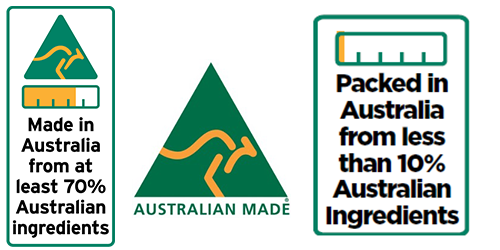
Protecting 'Made in Australia' - changes to food label requirements
Home - Tastebuddies Food Labelling - Tastebuddies Food labelling made simple. Tastebuddies Food Labelling specialises in assisting food and beverage startups, small and medium business with their food labelling compliance. No matter where you are at in your food business, it's important that you understand the food labelling requirements in Australia.

What Food Labels In Australia Should Actually Tell Us
Food labels - Better Health Channel Under labelling laws introduced in Australia in 2003, virtually all manufactured foods must carry an NIP. There are exceptions to the labelling requirements, such as: very small packages and foods like herbs, spices, salt, tea and coffee single ingredient foods (such as fresh fruit and vegetables, water and vinegar) food sold at fundraising events

Louise Goodman Visual Merchandising: Jigsaw Christmas Window 2011
Allergen labelling - Food Standards peanuts tree nuts milk eggs sesame seeds fish shellfish soy lupin wheat. The Food Standards Code requires suppliers to declare these foods on labels whenever they are present as: ingredients components of food additives components of processing aids

Design Institute of Australia (DIA) - Are you up to date with the new Australian food labelling ...
How to read food labels | healthdirect In Australia, the law requires all manufactured foods to carry labels containing safety and nutrition information. This information helps you to make decisions about the food you buy and eat so you can follow a healthy diet. The label will tell you: the name of the product, describing accurately what it is the brand name

What Food Labels In Australia Should Actually Tell Us
Food Labels & Labelling on Rolls | B2B | PrimeLabels.com.au Food labels are usually printed on paper. But we can also use printed films or transparent labels (as well as a number of finishing processes) to give you the perfect look for your labels. You aren't limited to the standard shapes either. We can create labels in whatever shape you need.

What Food Labels In Australia Should Actually Tell Us | Lifehacker Australia
Food Labels - Amazing Quality & Instant Pricing - Labels Online Country of origin labelling laws have changed in Australia: The Country of Origin Labelling (CoOL) regulations for food offered for sale in Australia came into effect 1st July 2018. These changes affect you if you sell food in retail stores in Australia. There are different labels depending on where it was grown, produced, made or packaged.
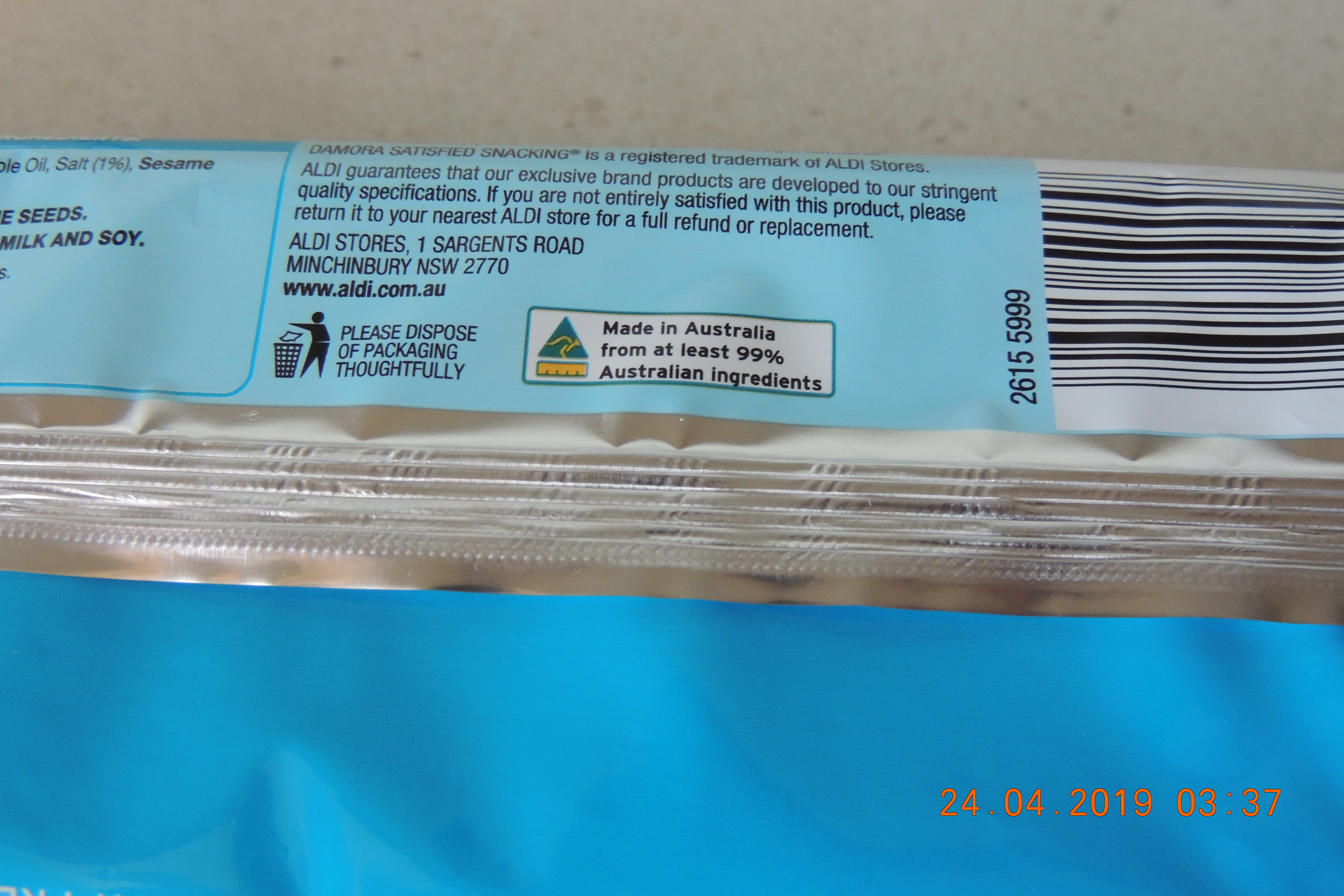
**AUSTRALIAN MADE! New food labels finally here! BUT not Mandatory until 30/06/2018!** - Food ...
Food labelling and imported food | business.gov.au When the transition period ends on 1 July 2018, food entering Australia must be labelled according to the requirements of the Information Standard or penalties will apply. However, stock in trade (food products that are packaged and labelled according to the Food Standards Code on or before 30 June 2018) can still be sold without the new labels.

Pieroblog: Aboriginal tools and weapons
Food labelling | NSW Food Authority Food labelling All food sold in Australia must comply with the Australia New Zealand Food Standards Code for labelling. Sometimes there are other requirements too - for example, total weight and measure statements are regulated by the National Measurement Institute.

Canberra Australia Capital | World Wide Images
Nutrition information panels - Food Standards Meat, poultry, fish, eggs, milk and cheese are animal sources of protein. Vegetable sources of protein include lentils, dried peas and beans, nuts and cereals. Fat Fat is listed in the NIP as total fat. This is the total of the saturated fats, trans fat, polyunsaturated fats and monounsaturated fats in the food.

Smartphone app scans barcodes for food allergens - Software - iTnews
Food labelling - WA Health, Government of Western Australia Food labelling Food labels provide a wide range of information to help consumers make food choices. Food Standards Australia New Zealand sets food labelling requirements in the Food Standards Code (external site) . These Labelling Standards are enforced by local government Environmental Health Officers. The Food Standards Code includes:
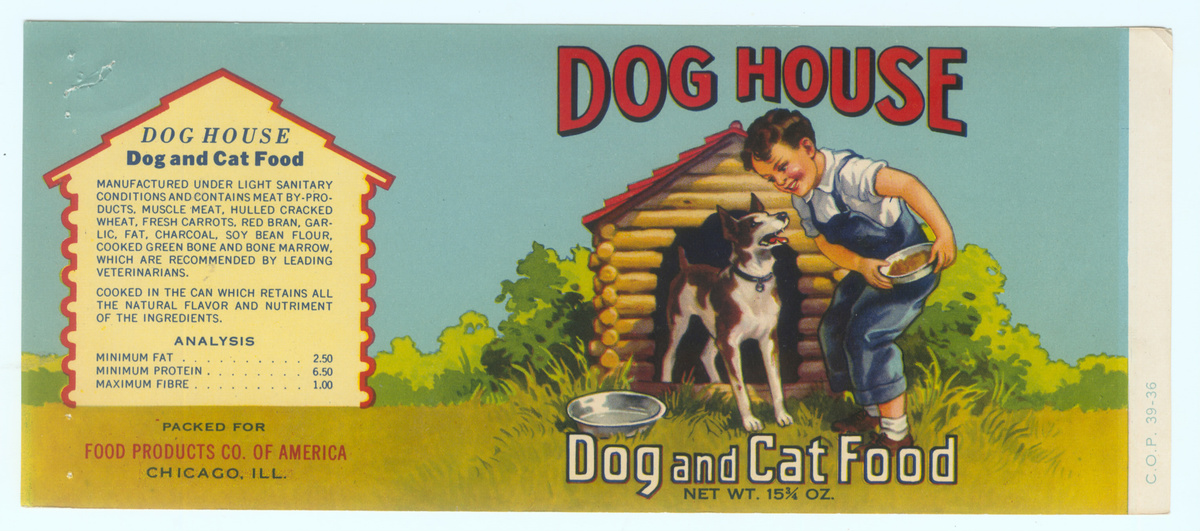
vintage unused dog food can labels | Collectors Weekly
Labelling laws | NSW Food Authority * Food labels are legally required to show the name and Australian or New Zealand business address of the manufacturer or supplier (packer or vendor importer) plus the lot and batch number of the food (or date coding) to enable efficient food recalls. Food is recalled when it poses a possible public health and safety risk to consumers.

A1 Pictures: Pretty Pigeon
Food Labelling & Allergen Guide - Australian Food and Grocery Council The Food Industry Guide to Allergen Management and Labelling offers guidance in managing allergens. It's relevant to those involved in the supply, handling, production, import and sale of foods. It was first development by the AFGC in 2007 but an updated edition was jointly published by the AFGC and Allergen Bureau in April 2021.

Australia is getting new food labels -- here's what they look like | Business Insider
Food labelling - Health.vic All packaged foods sold in Australia must comply with the labelling requirements of the Australia New Zealand Food Standards Code, which applies in Victoria through the Food Act 1984. Food labels must carry essential information, so that consumers are informed of the nature and properties of foods before they buy.
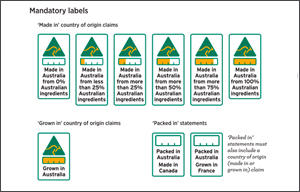
Government's proposed new food labelling system to incorporate Australian Made, Australian Grown ...
How to understand food labels | Eat For Health The Nutrition Information Panel on a food label offers the simplest and easiest way to choose foods with less saturated fat, salt (sodium), added sugars and kilojoules, and more fibre. It can also be used to decide how large one serve of a food group choice or discretionary food would be and whether it's worth the kilojoules.

Panama Canal Cruise Sunday- February 22, 2009- Ft. Myers, Florida. We were up early, finished ...
Post a Comment for "39 food labels in australia"